Kingston market stall flowers pricing mistakes to avoid
Posted on 14/10/2026
If you sell flowers on a Kingston market stall, pricing can feel a bit like trying to hold water in your hands. Go too high and people walk past. Go too low and you work all day for next to nothing. The tricky part is that the best price is not just "cheap" or "premium" - it depends on your costs, your stock, your presentation, and the kind of customers passing through that day.
This guide on Kingston market stall flowers pricing mistakes to avoid is designed to help you protect margin without losing the sale. We'll look at the pricing errors that quietly eat profit, how market-stall flower pricing usually works in real life, and the practical steps that keep your bunches competitive, fair, and sustainable. Truth be told, a lot of florists lose money not because their flowers are poor, but because their pricing system is shaky.
Whether you're selling hand-tied bouquets, seasonal bunches, single stems, or mixed market specials, getting the numbers right matters. And if you also run a shop or offer local delivery, it helps to think about your stall prices alongside your wider offer, such as flower delivery in Kingston KT1 and your wider product mix like best-selling bouquets.
Quick takeaway: the biggest pricing mistakes are usually undercounting all costs, copying competitors blindly, forgetting market fees and waste, and changing prices too often without a clear reason.
- Use pricing that covers flowers, packaging, stall costs, wastage, labour, and card payments.
- Price by perceived value, not just stem cost.
- Watch seasonal shifts closely, especially around weekends, holidays, and local events.
- Keep a simple pricing structure so customers understand what they're paying for.
In Kingston, market trading has its own rhythm. Footfall changes, weather matters, commuters buy differently from Saturday browsers, and a bunch that feels expensive at 9 a.m. may feel like an easy purchase by lunchtime. Small detail, big difference.
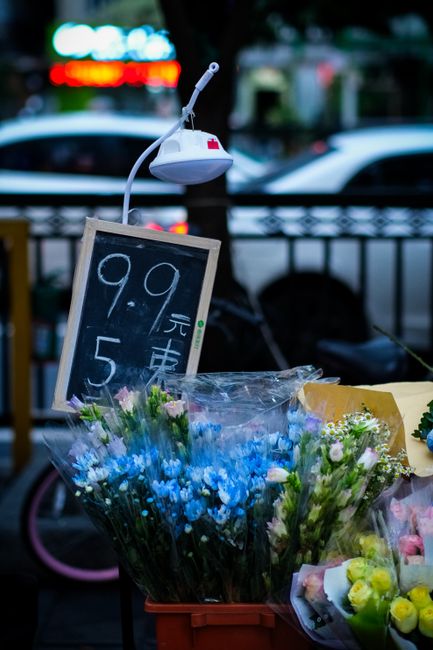
Why Kingston market stall flowers pricing mistakes to avoid Matters
Pricing flowers on a market stall is not just a commercial detail. It affects whether your business survives the week, how customers perceive your quality, and whether your stall has enough breathing room to cope with waste, breakage, or a slow day in wet weather. If your prices are wrong, even lovely arrangements can become a problem.
A market stall is different from a fixed shop. You may have less shelter, more impulse buying, and more pressure to sell quickly before blooms lose freshness. That means pricing has to support speed, margin, and flexibility. The wrong price can leave you marking down stock too early or standing there with flowers you wished you had valued more properly.
There's also a trust angle. Customers in Kingston are generally savvy. They notice whether a bouquet feels generous, whether flowers look fresh, and whether the price makes sense for what's in the bunch. If your pricing jumps around with no visible reason, people start to hesitate. And once that hesitation sets in, it's hard to win back.
To be fair, people do not expect market flowers to be luxury retail every time. They do expect a fair deal. That "fair" part is where many traders slip. They confuse low prices with value, when often it's presentation, stem selection, and consistency that make the sale.
Expert summary: On a Kingston market stall, good pricing is not about being the cheapest. It's about being clear, consistent, and profitable enough to keep your stall stocked with fresh flowers people actually want to buy.
How Kingston market stall flowers pricing mistakes to avoid Works
Before you can avoid pricing mistakes, you need to understand what a good market flower price is doing behind the scenes. It is covering direct costs, spreading fixed overheads, allowing for waste, and leaving some profit after a decent day's trading. Simple idea, but easy to get wrong.
Here's the basic pricing flow most florists need to think about:
- Calculate the true cost of the flowers. That includes wholesale stems, foliage, sundries, water packs, wraps, ribbons, and any extras.
- Add stall-related costs. Pitch fees, transport, fuel, parking, card machine charges, and any market-day labour all need to be in the mix.
- Factor in wastage. Some stock will not sell. Some flowers will get damaged or have to be discounted. That is normal, not a failure.
- Set a target margin. If you want the business to be worth the effort, you need a clear profit margin, not just a break-even price.
- Adjust for demand and season. Valentine's week, Mother's Day, weddings, funerals, warm weekends, and local events all affect what people will pay.
In real terms, a market bouquet may sell because it looks abundant and ready to go, not because the customer has counted stems. That means pricing should reflect presentation and convenience. A hand-tied bunch on a busy Saturday morning can sell well at a price that would feel too high if it were a plain bunch sitting unsorted in a bucket. Strange, but true.
There's also a behavioural side. At a market, customers often decide quickly. They compare visible options, not spreadsheets. If your prices are too close together, people may not understand the difference between your budget bunch, your mid-range bouquet, and your premium line. That creates confusion, and confusion kills sales.
Many successful traders split stock into clear price bands, for example budget, standard, and premium. If you sell online too, it can help to mirror that logic with ranges such as cheap flowers in Kingston alongside more gift-led options like luxury flowers.
Key Benefits and Practical Advantages
Good pricing does more than protect profit. It makes the whole stall easier to run. You make faster decisions, customers understand the offer more quickly, and your stock planning becomes a lot less stressful. Which, let's face it, is no small thing when you're setting up early, handling cold stems, and watching the weather every ten minutes.
- Better margin control: You know what each bouquet should earn, so you can stop underpricing out of habit.
- Less emotional discounting: If prices are built properly, you won't slash them just because a customer hesitates.
- Clearer product tiers: Budget, everyday, and premium bouquets become easier to explain.
- More consistent sales: Customers learn what to expect, and that builds repeat trust.
- Lower waste pressure: Good pricing gives you room to absorb unsold stock more sensibly.
- Better stock planning: Once you know what sells at each price point, buying becomes sharper.
There is a quieter benefit too. Fair, well-structured prices help you stay calm. When the maths is solid, you stop guessing. You're still making judgment calls, of course, but they're informed ones. That confidence shows on the stall. Customers can feel it.
For traders who also handle event work, gifting, or seasonal displays, stronger pricing helps across the board. A stall bouquet, a funeral spray, or a last-minute birthday gift all benefit from the same habit: know your cost before you set the price. If you need inspiration for gift-led product lines, the range of any occasion flowers and birthday flowers shows how pricing can be organised by customer need rather than guesswork.
Who This Is For and When It Makes Sense
This guide is for anyone selling flowers at a Kingston market stall or thinking about doing so. It is especially useful if you are moving from hobby selling into regular trading, or if you've realised your prices have been based on instinct for a little too long.
You'll probably find this most useful if you are:
- a new trader trying to set first prices without undercutting yourself;
- an established stall holder who has noticed margins shrinking;
- a florist who wants to split retail, market, and delivery pricing more clearly;
- a seasonal seller who changes stock often and needs flexible pricing;
- a small business owner trying to balance affordability with quality;
- someone selling alongside other gifts, such as cards or add-ons.
This also makes sense when your trading pattern changes. For example, if winter footfall is weaker, your price structure may need to support smaller bunches or more focused hero products. If summer weekends are busy, you may lean into more generous, higher-value bouquets. Same stall, different rhythm.
And if you're already offering local delivery as part of your business, you should think about your market prices in relation to items like same-day flower delivery in Kingston and flower care guidance. Customers often compare convenience, freshness, and price together, even if they don't say it out loud.
Step-by-Step Guidance
If you want to price flowers properly on a Kingston market stall, start with a simple system. You do not need a giant spreadsheet that makes you wince every Sunday night. You need a practical one you can actually use.
1. List every cost, not just the flowers
Start with wholesale stem cost, then add packaging, ribbon, water supplies, signage, buckets, and transport. Then include pitch fees, card fees, and a portion of your labour. Many traders forget one or two of these and think they are profitable when they are not.
2. Estimate wastage honestly
Some flowers will not sell at full price. That is part of the trade. Build in a wastage allowance so you are not forced to panic-discount at the end of the day. A realistic estimate is far better than optimism dressed up as a pricing strategy.
3. Choose a pricing method
Most market flower sellers use one of three approaches: cost-plus, value-based, or tiered pricing. We'll compare them later, but the point here is to pick one as your starting point and stick with it long enough to learn from it.
4. Create clear price bands
For example, keep one lower-price bunch for quick impulse sales, one mid-range bouquet for core volume, and one more premium option for shoppers who want something fuller. The customer should know the difference at a glance. No squinting, no confusion.
5. Test and adjust in small steps
Change one thing at a time. If you raise prices, do it gradually and track what happens. If a product sells out too fast, you may have left money on the table. If it barely moves, maybe the bunch needs reworking rather than simply getting cheaper.
6. Review after each trading day
Ask a few honest questions: What sold first? What was ignored? Did customers react to price, size, or style? Did the weather affect buying? The best market sellers learn fast, then tweak quietly. That's the game.
A small note from real-life trading: the busy, breezy 11 a.m. moment is often more revealing than the first hour. Early shoppers might browse. Later shoppers often buy. Pricing decisions should pay attention to that pattern.
Expert Tips for Better Results
Good pricing is not only about arithmetic. It is also about presentation, psychology, and timing. A few practical habits make a proper difference.
- Anchor with a hero product: Put one bouquet at a price customers can understand quickly, then place your premium option nearby so the middle range feels reasonable.
- Price the full experience: A bouquet that looks polished, smells fresh, and feels ready to gift can justify more than a loose bunch in paper.
- Keep your labels clean and legible: A neat, visible price card reduces awkward haggling and decision fatigue.
- Use size and fullness as value signals: Customers often judge by abundance, not stem count.
- Watch your toughest sell: If one product always lingers, it may be over-priced or simply poorly framed.
Here's one little trick many florists use: make the price difference obvious enough that customers feel they are choosing, not decoding. If your GBP15 bunch looks almost identical to your GBP18 bunch, the cheaper one will often win by default. If the GBP18 version visibly feels fuller, the upgrade becomes easier to justify. Simple. Effective.
Another tip: protect your premium line. Do not keep discounting it just because there's a slow hour. The minute premium becomes "sometimes cheaper," customers learn to wait. And that habit is a pain to unwind later.
If you sell gift bouquets too, it can help to pair prices with occasions. A Valentine-style bouquet, for example, sits differently in the mind from a general everyday bunch. Pages such as Valentine's flowers and romance flowers show how mood and occasion can support stronger perceived value.
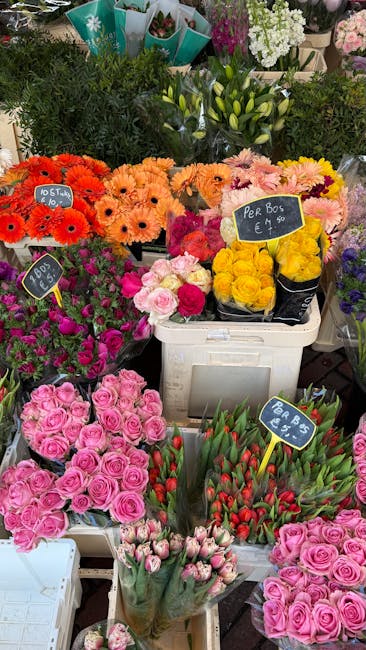
Common Mistakes to Avoid
This is the section that usually saves people the most money. The mistakes below sound small, but they can quietly wreck profitability over a season.
Underpricing because you want to move stock fast
Fast sales feel good, but low prices can train customers to wait for bargains. If you always clear stock by dropping prices too early, you end up selling your best flowers for the worst margin.
Copying another stall's prices without knowing their costs
Another trader may have cheaper supply, lower fees, better volume, or a different customer base. Their pricing is not your pricing template. It's tempting, sure. But it's not a strategy.
Forgetting labour and time
Your time matters. So does the time spent sourcing, conditioning, arranging, setting up, and packing down. If your price only covers stems and wrap, you're not really paying yourself.
Ignoring waste and spoilage
Flowers are beautiful and perishable. Some losses are inevitable. If you don't build them into your pricing, every unsold bunch becomes a hidden cost.
Having too many price points
Too much choice slows people down. A market stall needs clarity. Three or four strong options usually work better than twelve confusing ones. It's a flower stall, not a menu at a motorway service stop.
Using round numbers without a reason
Round numbers can work, but they need intention. If every bunch is GBP10, GBP15, GBP20, the customer needs to understand why. Otherwise, it feels arbitrary.
Changing prices without updating signage
Nothing annoys people faster than a price that changes at the counter. That can feel awkward even if your reason is fair. Keep labels current.
Discounting too much in poor weather
Yes, rain affects footfall. Yes, you may need a tactical offer. But slashing prices every grey day teaches your customer base the wrong lesson. Better to use targeted bundles or smaller bouquets than to destroy your own margin.
One more thing: don't confuse busy with profitable. A bustling stall can still be leaking money if the average sale price is too low. That's a very market-day problem, and a very fixable one.
Tools, Resources and Recommendations
You do not need fancy systems to price flowers well, but a few basic tools will make life much easier. The goal is to keep your pricing clean enough to review at a glance.
- Simple cost spreadsheet: Track stem cost, packaging, pitch fees, and target margin.
- Notebook or daily sales log: Record what sold, what didn't, and what customers asked for.
- Price cards or chalkboard signage: Clear pricing reduces friction and improves trust.
- Basic calculator: It sounds obvious. It still saves time on busy mornings.
- Stock rotation notes: Keep an eye on what should be sold first.
On the product side, it helps to build a small set of reliable sales drivers. Customers often respond well to familiar stems and formats. For example, well-balanced everyday flowers such as roses, lilies, and chrysanthemums can support different price points depending on the season and arrangement style.
If you trade across multiple occasions, keep category lines clear. A sympathy design, for instance, should be priced differently from a cheerful mixed bunch because the construction, expectation, and emotional context are different. If that sounds obvious, good. It should be. But people forget under pressure.
Law, Compliance, Standards, or Best Practice
Pricing itself is usually a business decision, not a legal one, but there are still practical standards and expectations worth keeping in mind. In the UK, traders should make sure prices are displayed clearly and honestly, and any business records, tax handling, and trading permissions are kept in order. If you're unsure about market trading rules, local authority requirements, or stall-holder obligations in Kingston, it's best to check directly with the relevant market operator or council guidance before trading.
For flower sellers, best practice usually includes:
- clear visible prices on all main products;
- honest product descriptions, especially where stems or sizes vary;
- clean, fresh presentation so the price matches the perceived quality;
- fair handling of customer complaints or product issues;
- careful storage and stock rotation to protect freshness.
If you sell pre-ordered flowers or operate online as well as on the stall, your broader shop policies matter too. Pages such as terms and conditions, returns and refund information, and payment details show the kind of operational clarity customers expect from a professional business.
Best practice also includes being careful with seasonal claims. If you say something is "luxury," "artisan," or "premium," the bouquet should visibly justify that label. Market customers may be friendly, but they are not fools. Quite the opposite.
Options, Methods, or Comparison Table
Different pricing methods suit different kinds of traders. Here's a straightforward comparison to help you decide what fits your stall best.
| Pricing method | How it works | Best for | Watch-outs |
|---|---|---|---|
| Cost-plus pricing | Adds a set margin on top of your total cost | Traders who need predictable profit control | Can miss demand spikes or premium value |
| Value-based pricing | Prices according to what customers feel the bouquet is worth | Presentation-led stalls and gift bouquets | Needs good product styling and customer insight |
| Tiered pricing | Offers budget, standard, and premium lines | Market stalls with mixed footfall and quick decisions | Can confuse buyers if the differences are not obvious |
| Promotional pricing | Uses limited offers or bundles to move stock | End-of-day sales or event-driven trading | Easy to overuse, which hurts margin |
For most Kingston market stalls, tiered pricing with a cost-plus foundation works well. Why? Because it keeps your numbers grounded while still letting you respond to what customers are willing to pay. It's the sweet spot for most real-world traders.
If you want to broaden your offer, look at occasion-led categories and add-ons. A thoughtful birthday line like birthday flowers in Kingston or a celebration range such as congratulations flowers can improve average order value without making the stall feel cluttered.
Case Study or Real-World Example
Imagine a small Kingston stall selling mixed seasonal bunches on a Saturday. The trader buys flowers in the week, spends time conditioning them, adds wrap and ribbon, and pays for a pitch. On paper, the stems look affordable, so the first instinct is to keep prices low to drive volume.
At first, sales are decent. Customers like the colour mix, the stall looks lively, and a few bunches move quickly. But by mid-afternoon, the trader notices something awkward: the cheaper bunches sell out first, the mid-range ones move slowly, and the "premium" option barely gets touched because it only looks slightly larger than the standard bunch.
What went wrong? A few things:
- the gap between price tiers was too small to feel meaningful;
- the cheap bunch was priced too aggressively;
- the premium bouquet did not look distinct enough;
- no waste allowance had been built in, so discounts started too early.
The fix was not dramatic. The trader reworked the tiers, made the premium bouquet visibly fuller, priced the budget option slightly higher, and reduced the number of slow-moving line items. On the next market day, customers understood the range better and the average sale value improved. Not overnight magic. Just clearer pricing.
That is usually how it goes, by the way. Small changes, then better results. Not glamorous, but it works.
Practical Checklist
Use this checklist before your next trading day. If you can tick most of these off, you are in much better shape than a lot of stalls out there.
- Have I calculated the full cost of each bouquet or bunch?
- Have I included packaging, labour, pitch fees, and payment charges?
- Have I allowed for wastage and spoilage?
- Are my price points easy to understand at a glance?
- Do my budget, standard, and premium products look clearly different?
- Are my price labels visible, tidy, and current?
- Am I comparing my prices against similar stalls, not random businesses?
- Have I avoided discounting too early?
- Do I know which products sell fastest and which linger?
- Have I reviewed last week's sales before setting this week's prices?
Best next move: if your pricing feels uncertain, start by fixing the full-cost calculation. That one change alone often reveals where money is leaking.
Get a free quote today and see how much you can save.
Conclusion
The biggest lesson in Kingston market stall flowers pricing mistakes to avoid is simple: price with the whole business in mind, not just the stems in front of you. If you count every cost, separate your product tiers properly, and avoid knee-jerk discounting, you give yourself a far better chance of trading profitably and calmly.
That doesn't mean pricing has to be rigid. Markets are alive. Weather shifts, footfall changes, and customer moods do too. But a good pricing structure gives you a steady base, so you can adapt without panic. And that matters, especially when you're setting up early, wiping the dew off the buckets, and hoping the day gets kinder after lunch.
If you want a stall that feels strong, fair, and worth the effort, start with the numbers. The flowers will do the rest.
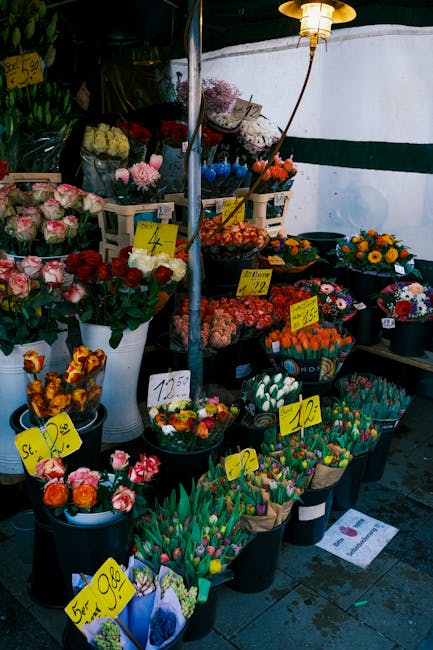
Frequently Asked Questions
What are the most common Kingston market stall flower pricing mistakes?
The most common mistakes are underpricing, forgetting labour and market fees, ignoring waste, copying another trader's prices without context, and offering too many confusing price points.
How do I know if my flower stall prices are too low?
If you're busy but not making enough money, if you're discounting too often, or if one good sales day still leaves you feeling short, your prices are probably too low. Check the full cost, not just stem cost.
Should I price flowers by stem count or by bouquet value?
For most market stalls, bouquet value works better. Customers usually respond to fullness, freshness, and presentation rather than counting stems. Stem count can still help internally when you work out costs.
How often should I change my market flower prices?
Not every day unless costs or supply are changing sharply. Review regularly, but change prices in a controlled way so customers see consistency. Small adjustments are better than constant swings.
Is it better to be cheaper than other flower stalls in Kingston?
Not necessarily. Being cheapest can damage your margin and make your stall feel lower value. It is usually better to be fair, clear, and competitive while keeping enough profit to stay sustainable.
What should I include in my flower pricing calculation?
Include wholesale flowers, packaging, water supplies, ribbon, labour, stall fees, transport, card charges, and an allowance for waste. If a cost affects the business, it belongs in the calculation.
How do I price seasonal flowers on a market stall?
Seasonal flowers can be priced using the same framework as other stock, but you should review supply pressure, demand, and freshness more closely. When seasonal demand rises, a modest premium may be justified.
What is the safest pricing method for a new flower trader?
A cost-plus approach with clear price bands is usually the safest place to start. It gives you a reliable base, then you can adjust using customer feedback and actual sales data.
Do I need special signage for flower prices at a market stall?
You don't need anything fancy, but prices should be easy to see and read. Clear signage reduces hesitation, awkward questions, and mistakes at the counter.
How do I stop discounting too much at the end of the day?
Build waste into your prices from the start, create a smaller end-of-day offer if needed, and avoid making every slow afternoon into a clearance event. The goal is controlled flexibility, not panic markdowns.
Can I use the same pricing for market stalls and online flower delivery?
Usually not exactly. Delivery pricing often needs to account for packing, routing, and service expectations. Market stall pricing and delivery pricing should work together, but they are not always identical.
What's the quickest way to improve flower pricing on a Kingston stall?
Review your full costs, simplify your price structure, and make your product tiers more distinct. That combination fixes a surprising amount of pricing drift, often faster than people expect.
In the end, good pricing is a kind of quiet craft. Do it well, and the stall feels lighter, the day feels steadier, and your flowers get the chance to shine the way they should.