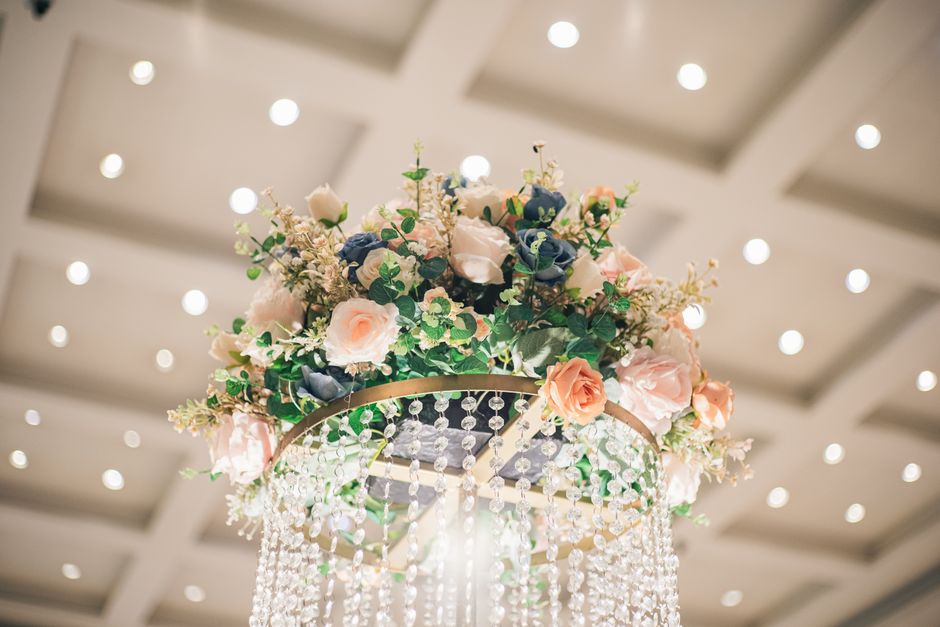
Floral install case study Canbury Gardens wedding before and after
Posted on 19/09/2026
If you are looking at a Floral install case study Canbury Gardens wedding before and after, you are probably trying to answer a very practical question: what actually changes on the day, and how do you get from a plain venue space to something that feels special, considered, and calm? That before-and-after difference matters more than people expect. One minute it is chairs, tables, daylight, and a bit of echo; the next it feels like a wedding with intention. In a place like Canbury Gardens, where the setting already has a relaxed riverside feel, the floral installation has to complement the surroundings rather than fight them. That is the trick, really.
This guide breaks down how a floral install typically works, what makes the transformation feel polished, where the common mistakes happen, and how to plan better if you are comparing options for your own wedding. We will keep it practical, honest, and grounded in real-world wedding planning, because let's face it, most couples do not want theory. They want to know what will look good, what will hold up in a real venue, and what is worth spending money on.
Along the way, we will also link to a few useful pages where relevant, including wedding flowers in Kingston, wedding collections, and contact information if you want to talk through your own brief. No fluff. Just the sort of detail that helps you make a better decision.
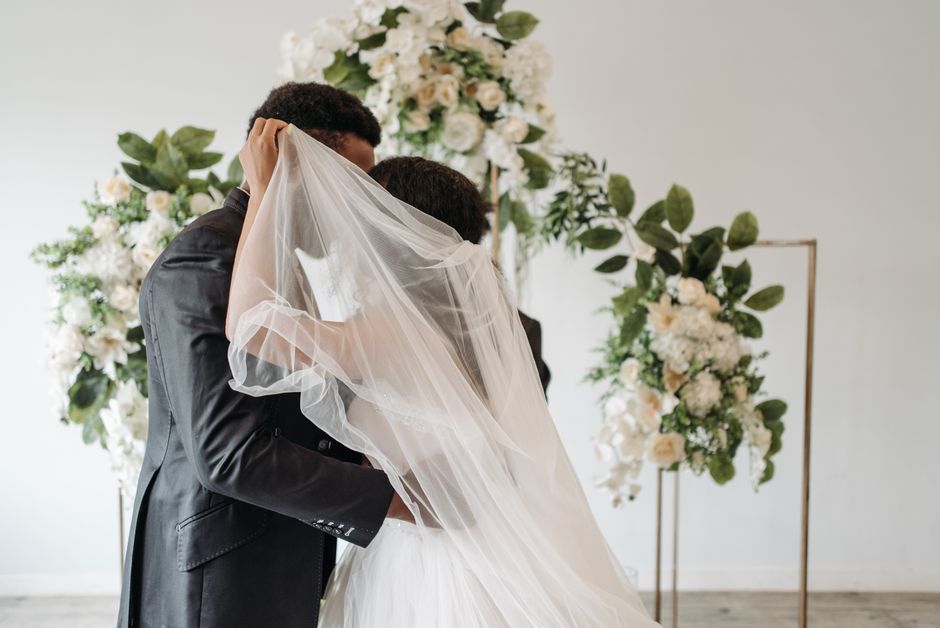
Table of Contents
- Why Floral install case study Canbury Gardens wedding before and after Matters
- How Floral install case study Canbury Gardens wedding before and after Works
- Key Benefits and Practical Advantages
- Who This Is For and When It Makes Sense
- Step-by-Step Guidance
- Expert Tips for Better Results
- Common Mistakes to Avoid
- Tools, Resources and Recommendations
- Law, Compliance, Standards, or Best Practice
- Options, Methods, or Comparison Table
- Case Study or Real-World Example
- Practical Checklist
- Conclusion
- Frequently Asked Questions
Why Floral install case study Canbury Gardens wedding before and after Matters
A good wedding floral installation is not just decoration. It shapes how the room feels, where people look, and how the photographs read. With a Canbury Gardens wedding, the before-and-after story is especially useful because the venue context already does half the work. There is outdoor softness, greenery, and a natural sense of ease nearby, so the flowers need to sharpen the atmosphere without making it feel overdone.
The reason this topic matters is simple: couples often underestimate the planning gap between a lovely idea and a clean execution. A bouquet is one thing. A full install across ceremony and reception is another altogether. The install has to suit scale, movement, timing, weather, and the physical layout of the venue. If you have ever stood in a room and thought, "This looks fine, but not quite finished," that is exactly the gap floral installation closes.
There is also a practical side to the before and after comparison. It helps you assess value. Did the flowers simply fill space, or did they redirect attention in a way that made the venue feel intimate and cohesive? Did the arrangements work with the light at 3 p.m. and again once the sun dropped a little later in the day? These are the small, real things that matter on the wedding day, and they show up strongly in before-and-after visuals.
Expert summary: the best floral installs do not try to overwhelm a venue. They edit it. They make the setting feel more intentional, more flattering, and more like the couple. That sounds obvious, but in practice it is where many plans go wrong.
For couples planning locally, it also helps to understand the wider product and style options available, from white wedding collections to more layered designs such as rose, orchid and lisianthus centrepieces. The right choice depends on the room, the season, and how formal you want the event to feel.
How Floral install case study Canbury Gardens wedding before and after Works
In practice, a floral install follows a sequence. First comes the brief. Then the site review. Then the design development, sourcing, mechanics, preparation, transport, on-site installation, and finally the post-event breakdown. A "before and after" case study is simply a way of showing that sequence in visual terms, so you can see what changed and why.
The before state is usually a venue with natural bones: tables, chairs, a ceremony backdrop, maybe some outdoor views, perhaps a blank wall, a marquee, or a reception area that feels a bit too open. The after state should not hide the venue's character. It should highlight the best parts. In a setting like Canbury Gardens, that often means working with light, soft colour, and layered florals that keep the mood romantic rather than heavy.
Here is the rough flow most floral installs follow:
- Venue assessment: understand space, access, lighting, and the route from unloading to set-up.
- Design direction: choose a palette, structure, and style that fits the couple and the venue.
- Mechanical planning: decide how arrangements will be supported safely and discreetly.
- Production: create bouquets, ceremony pieces, table arrangements, and any larger focal pieces.
- Install: place each element in sequence so the space comes together coherently.
- Fine-tuning: adjust height, spacing, symmetry, and sightlines before guests arrive.
Mechanics matter more than most people think. Foam, water sources, vases, vessel weights, tying methods, and fixing points all affect the final look. If the structure is weak, the flowers may look beautiful for an hour and then wobble, dip, or sit awkwardly. Nobody wants that. Not on a wedding day.
For wedding florals, many couples start by browsing ready-made style groups such as The Perfect Match wedding collection or Pure Romance wedding collection. Those pages are useful for narrowing the style direction before you move into a more tailored install brief.
Key Benefits and Practical Advantages
A strong floral installation brings more than beauty. It brings control. That sounds slightly unromantic, perhaps, but it is true. Weddings can feel visually chaotic very quickly, especially in mixed-use spaces or venues with lots of natural light and different zones. Flowers help unify all of that.
- Creates instant atmosphere: guests feel the tone of the event the moment they enter.
- Improves photography: florals create depth, frame key moments, and soften hard edges in images.
- Connects spaces: ceremony, aisle, reception, and entrance areas feel like one story.
- Makes a venue feel bespoke: even a familiar room can feel personal and new.
- Supports the colour palette: flowers can reinforce dress details, tableware, linens, and stationery.
- Helps with perceived value: guests often remember how finished and immersive the space felt.
There is also a quieter benefit: a well-planned floral install reduces wedding-day stress. When the flowers are delivered in the right sequence, placed efficiently, and aligned with the room plan, the couple tends to feel calmer. You will notice this in the little moments, like when people walk in and stop talking for a second. The room just lands.
For some weddings, the most effective install is not the biggest one. It is the most proportionate one. A refined arch, a few well-balanced centrepieces, or a carefully layered top table arrangement can make more impact than a room packed with random blooms. Truth be told, restraint often photographs better.
Who This Is For and When It Makes Sense
This kind of floral planning is a strong fit for couples who want the venue to feel transformed, but not overworked. If you are hosting at Canbury Gardens or a similar Kingston-area venue and you care about the look in person as much as in photos, a floral install is worth serious consideration.
It makes sense if you are:
- planning a ceremony and reception in the same location
- working with a space that needs softening or zoning
- wanting a design-led wedding rather than a purely functional one
- building a clear colour story
- looking for something memorable but still elegant
- trying to make the most of a modest venue without overfilling it
It may be less useful if you want only a handful of simple arrangements and do not need a full installation. In that case, a smaller floral package or mixed selection of bouquets, table pieces, and buttonholes may be enough. Pages such as bridal bouquets and buttonholes can be a more sensible starting point if the brief is lighter.
One thing couples sometimes forget: not every wedding needs to look "full." Some rooms need breathing space. If the venue already has architectural character or greenery nearby, the right move may be selective impact rather than floral saturation. That decision takes judgement, not just budget.
Step-by-Step Guidance
If you are planning your own floral install, the best approach is to think in stages. It keeps the process less overwhelming. And yes, wedding planning can get properly messy if nobody is in charge of the details.
1. Start with the venue layout
Walk the space, or study a floor plan carefully. Note the entrance, ceremony focal point, guest movement, tables, windows, and any awkward corners. A good florist needs this information to decide where the flowers will actually work hardest.
2. Decide what needs changing
Ask yourself what the "before" looks like. Is it too plain? Too wide? Too dark? Too formal? Too empty? The answer should shape the installation. If a venue is already pretty, you may just need definition. If it is stark, you may need more texture and softness.
3. Fix the colour palette early
Colour is one of the fastest ways to make a wedding feel coherent. For a riverside setting, soft whites, blush, greens, and pale pastels often work well. Stronger colour can be beautiful too, but it needs to be deliberate. A bit of drift here can make the whole thing feel unplanned.
4. Match flowers to structure
Not every flower suits every purpose. Loose garden-style flowers may be perfect for bouquets and tables, while sturdier stems or denser blooms may be better for installations that need visual volume. For example, wedding pieces such as roses and lisianthus arrangements or white lily, rose and orchid centrepieces can deliver a polished look with good shape retention.
5. Build the install plan around timing
Fresh flowers do not like being left too long in the wrong conditions. Your florist should know when the venue is accessible, how long setup will take, and whether certain arrangements must go in last. Morning installs feel different from late-afternoon ones, especially in warmer weather.
6. Install in layers
Start with the big structures, then move to medium pieces, then the detail work. That might mean entrance pieces first, then ceremony focal points, then tables, then buttonholes and finishing touches. The layering helps the room feel intentional rather than dropped in.
7. Review from guest eye level
Step back. Sit down, if you can. A design that looks lovely from above can block conversation at table level. A design that looks dramatic from the aisle may be too high for photos. This is where experience really matters.
Expert Tips for Better Results
There are a few things experienced florists tend to watch for that are easy to miss if you are planning your first floral install. These are small details, but they make the difference between "nice flowers" and a finished, professional result.
- Keep one hero element per zone. Too many focal points in one space can make the eye restless.
- Use repetition thoughtfully. Repeating one bloom or vase style across the venue creates calm.
- Balance height and conversation. Guests should be able to talk without feeling boxed in.
- Think in photographs, not just products. The camera sees spacing and contrast very clearly.
- Leave a little room for the flowers to breathe. Overcrowding can flatten the design.
- Ask about mechanics early. It is much easier to plan supports before the flowers are ordered.
One useful rule of thumb: if the space already has a lot going on, simplify the flowers slightly. If the space is plain, let the florals do more of the lifting. That balance is never perfect, but it is a good starting point. Also, and this is a bit of a florist joke, "just add more flowers" is not a strategy. It is a cry for help.
If you are choosing styles, collections such as True Happiness or Forever Together can help you compare mood and finish before you commit to a final install plan.
Common Mistakes to Avoid
Most floral install problems are avoidable. They tend to come from one of three things: poor planning, weak communication, or underestimating the venue. Sounds simple, but it happens all the time.
Forgetting the venue architecture
Flowers should work with the room, not against it. Tall arrangements in a low-ceiling space can feel cramped. Tiny table pieces in a large room can disappear completely. Scale is everything.
Choosing style before function
It is easy to fall in love with a look on a mood board and forget the room still has to work for guests. If people cannot sit comfortably, see the couple, or move around safely, the design needs adjusting.
Packing the schedule too tightly
Set-up time is not just a guess. If access is limited, traffic is awkward, or other suppliers are sharing the same space, the florist needs room to work. Rushing is where mistakes creep in.
Ignoring weather
Even in a lovely sheltered setting, weather changes how flowers behave. Heat, wind, or damp conditions can affect freshness and structure. A good install plan should allow for that. In the UK, the weather likes to keep us humble, honestly.
Not reviewing the room at guest height
This is a big one. A centrepiece can look stunning standing up, then block half the table when you sit down. Always check the guest view, especially for reception tables and ceremony seating.
Tools, Resources and Recommendations
You do not need a warehouse full of equipment to plan well, but you do need the right information and a few trusted decisions. A strong floral brief should usually include:
- venue measurements or a floor plan
- clear ceremony and reception timing
- guest count
- colour palette references
- photos of the venue before styling
- notes on tables, plinths, arches, or hanging points
- delivery and access instructions
On the floral side, it helps to browse products by style and function. For example, if you want a cohesive wedding scheme, you can compare ceremony and reception pieces with items like wedding table arrangements, bridesmaid bouquets, and wedding corsages. That gives you a better sense of how the whole day will feel, not just one part of it.
Useful website pages for planning and reassurance include flower care guidance, delivery information, and service guarantees. Those pages help set expectations around freshness, handling, and what happens if plans need adjusting.
Law, Compliance, Standards, or Best Practice
For wedding floristry in the UK, the most relevant standards are usually practical rather than highly legal. The main concerns are safe installation, clear access arrangements, responsible waste handling, and fair supplier communication. If a design uses hanging structures, candle-adjacent styling, or anything fixed to a venue, it should be agreed with the venue in advance. No surprises. Venues really dislike surprises.
Florists and couples should also think carefully about:
- Access and loading: make sure setup times and vehicle access fit the venue's rules.
- Fire safety: anything near heat sources or open flames needs extra caution.
- Slip and trip hazards: fallen petals, cables, crates, and water sources should be managed.
- Venue protection: fixed points, walls, floors, and furniture should not be damaged by install methods.
- Waste and recycling: best practice is to minimise waste and remove all materials after the event.
It is also sensible to confirm what happens if the weather changes the plan. Outdoor floral work often needs a backup method or a backup location. That is not pessimism; that is professionalism. If a florist has clear terms, delivery expectations, and cancellation or amendment guidance in place, everyone sleeps better the night before.
For general business policies and customer confidence, pages such as terms and conditions, returns and refund policy, and privacy policy are useful reference points. They do not design the flowers, of course, but they do support trust.
Options, Methods, or Comparison Table
Different wedding floral approaches create very different results. If you are comparing a full floral install against lighter styling, this table should help.
| Approach | Best for | Visual effect | Practical note |
|---|---|---|---|
| Full floral install | Couples wanting a transformed ceremony and reception space | High impact, immersive, editorial | Needs careful planning, setup time, and a clear budget |
| Focused feature pieces | Smaller venues or couples who want selective impact | Elegant, balanced, uncluttered | Often the best value if the venue is already attractive |
| Bouquets plus table arrangements | Simple weddings or lower-complexity events | Fresh and personal, but lighter visually | Less installation time, easier to manage |
| Statement ceremony only | Registry-style or short-format celebrations | Strong focal point where it matters most | Can work well if the reception is minimal |
For many Canbury Gardens weddings, a hybrid approach makes sense. A stronger ceremony feature, paired with elegant table florals, often gives the best mix of atmosphere and practicality. Not every part of the venue needs to shout. Some parts just need to whisper beautifully.
Case Study or Real-World Example
Here is a realistic example of how a before-and-after wedding floral install might be approached at a Canbury Gardens-style setting.
Before: the ceremony area is open, neat, and pleasant, but visually a little flat. The tables are ready, the natural light is lovely, and the room has good bones, yet nothing really pulls the eye. Guests entering the space can tell a wedding is happening, but they do not yet feel the mood.
After: a soft floral feature now frames the ceremony point, with matching table arrangements carrying the same palette into the reception. The design uses layered whites, blush tones, and green texture, with just enough volume to make the room feel more intimate. The result is not cluttered. It simply feels finished. Guests see the focal point first, then the tables, then the smaller details. Everything connects.
What changes most in the after shot is not only the flowers themselves. It is the atmosphere. The room feels warmer, the photographs have depth, and the venue begins to feel like the couple rather than just a hired space. That is the real value. And if you have ever seen a room before guests arrive and then again once the floral pieces are in place, you will know exactly what I mean. It is a noticeable shift. A proper one.
For couples exploring similar wedding styles, looking at SI wedding collection, Royal Essence, or Everlasting Love can help translate a mood into a concrete floral plan.
Practical Checklist
Before you approve a floral install plan, run through this checklist. It saves headaches later.
- Have you confirmed the venue layout and access times?
- Do you know which spaces need the most visual impact?
- Is the colour palette clearly agreed?
- Have you chosen flowers that suit the season and the setting?
- Are the ceremony and reception areas coordinated?
- Have you checked guest sightlines from seated height?
- Is there a plan for transport, setup, and breakdown?
- Have you discussed weather contingencies if any part is outdoors?
- Do you understand what is included in the install and what is not?
- Have you reviewed the florist's terms, delivery, and care guidance?
- Are there any venue restrictions on fixing methods, candles, or timing?
- Does the overall design feel balanced rather than overfilled?
If you can tick most of those off with confidence, you are in good shape. If not, pause and ask a few more questions. That is not being fussy; it is being sensible.
Conclusion
A strong Floral install case study Canbury Gardens wedding before and after is really a study in transformation done well. The best version does not rely on excess. It relies on planning, proportion, and a design that respects the venue while giving it a more complete, more personal finish. When that happens, the space feels calmer, the photographs feel richer, and the whole day carries a stronger sense of care.
If you are deciding between a light floral refresh and a fuller installation, start by thinking about the room itself. What does it already do well? What needs softening? Where will guests actually look? Answer those questions honestly and the right floral approach becomes much clearer.
Get a free quote today and see how much you can save.
And if you are still at the early stage, that is fine too. A good wedding design rarely arrives fully formed. It grows into place, one sensible decision at a time, and that is usually where the nicest results begin.
Frequently Asked Questions
What does a floral install case study actually show?
It shows the space before flowers are installed, the design thinking behind the transformation, and the finished result after setup. In practice, it helps you understand both the look and the process.
Why is a before-and-after view useful for wedding flowers?
Because it makes the value visible. You can see how the venue changes in scale, mood, colour, and flow, rather than judging the flowers in isolation.
Is a floral install worth it for a venue like Canbury Gardens?
Often, yes, if you want the space to feel more polished and personal. Canbury Gardens already has a pleasant setting, so flowers should enhance that feel rather than compete with it.
How far in advance should I plan a wedding floral install?
As early as possible. You want enough time to discuss layout, palette, timings, and any venue restrictions. Earlier planning usually means fewer compromises later.
What flowers work best for a soft, romantic wedding look?
That depends on season and budget, but roses, lisianthus, orchids, and mixed white or blush blooms are often used for romantic, layered designs.
Do I need a full floral install or just table flowers?
If the venue is already attractive and you want to keep things simple, table flowers and a few focal pieces may be enough. If you want a transformed atmosphere, a full install makes more sense.
What is the biggest mistake couples make with floral installs?
Choosing a style that looks lovely online but does not fit the room, the budget, or the timeline. Scale and practicality matter just as much as beauty.
How do florists keep large wedding flowers safe during setup?
They use proper mechanics, timed delivery, secure placement, and careful transport. Good planning around access and installation order helps a lot too.
Can floral installs be adapted for outdoor areas?
Yes, but outdoor work needs extra thought around wind, heat, rain, and securing structures. A backup plan is always sensible in the UK, because the weather can be a bit cheeky.
What should I ask a florist before booking?
Ask about what is included, how delivery and installation work, what happens if timings change, and whether they have experience with your type of venue or styling brief.
How do I keep the design from looking too busy?
Stick to a clear palette, repeat key elements, and avoid filling every surface. Sometimes the strongest designs are the most restrained ones.
Where can I find wedding flower options to compare styles?
You can look through relevant wedding pages such as wedding collections, table arrangements, and bridal bouquets to get a clearer sense of what suits your day.